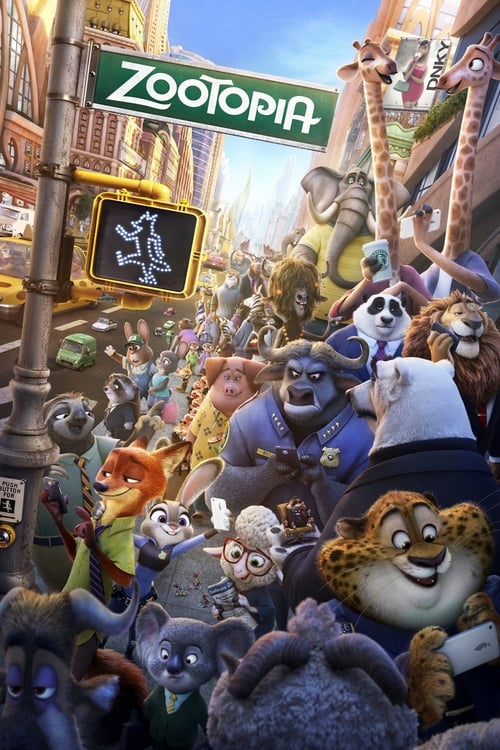
Cover of Zootopia

Movie · 2016

Zootopia

9+Suitable with guidance82% values match

Zootopia is a strong discussion film about prejudice, stereotyping, justice, and public fear. It has more mature social ideas than many animated comedies, but its moral direction is unusually useful.

Global
Family guidance
AU
PG
US
PG
UK
PG
Genre
Animated mystery comedy
Research
Human checked synthesis

Guidance at a glance

Drugs, alcohol, smoking

Mild

Substance concerns need clear parent framing.
Language

Mild

Insults or profanity appear and need guidance.

Nudity, sex, romance

Mild

Romance or sexual themes need parent guidance.

Products and purchases

Low

No major product placement or consumerism concern.

Violence and fear

Moderate

Violence, peril, or fear may unsettle younger viewers.

Overall Suitability

82%

Suitable with guidance after review.

Story Overview

Judy Hopps becomes Zootopia's first rabbit police officer and wants to prove she can serve justice. She partners with Nick Wilde, a fox con artist who has been shaped by prejudice against predators.

The mystery begins with missing predators and grows into a public fear campaign. The antagonist is Bellwether, who weaponises fear and prejudice for power, but Judy also has to confront her own biased assumptions.

Good prevails when Judy admits her mistake, seeks forgiveness, and exposes the manipulation behind the panic. The film is strong for discussing justice, stereotypes, repentance, and public responsibility.

Content Breakdown

Concerns include predator/prey threat, conspiracy, bullying, fear, some innuendo, and mild rude humour. Positive justice and anti-prejudice themes are strong.

Drugs, alcohol, smoking

Mild · 2/5

No real-world drug use is normalised, but the plot turns on a mind-altering toxin.

Scene and content evidence

  • Night howler serum is secretly weaponised to make mammals act savage; it functions like a fictional drug/toxin in the mystery.
  • A criminal chemistry-lab scene shows the substance being prepared and transported, though the film frames it as dangerous and wrong.
  • There is no social drinking, smoking, vaping, or recreational drug use presented as desirable.

Language

Mild · 2/5

Mild insults, rude humour, and prejudice-coded speech appear.

Scene and content evidence

  • Characters use animal-based insults, teasing, and stereotyping language that is central to the anti-prejudice theme.
  • Nick is called sly/untrustworthy, Judy is belittled as a bunny, and predators are publicly described with fear-based language.
  • A few rude jokes and comic put-downs appear, but profanity is not the main concern.

Nudity, sex, romance

Mild · 2/5

Some mild innuendo and adult-coded jokes.

Scene and content evidence

  • Judy's parents make a comic comment about rabbits being good at multiplying, which younger children may miss but older children may ask about.
  • Gazelle's performance and some outfits are stylised/glamorous, but there is no explicit sexual scene.
  • Nick and Judy's relationship is buddy-detective friendship rather than romance.

Products and purchases

Low · 1/5

Low consumerism concern.

Scene and content evidence

  • The city includes parody brands and pop-culture jokes, but no real-world product placement drives the story.
  • The bigger concern is the film's social message and fear politics, not shopping or materialism.

Violence and fear

Moderate · 3/5

Predator attacks and mystery threat recur.

Scene and content evidence

  • Young Judy is scratched by Gideon Grey during a bullying scene, leaving the anti-predator fear rooted in a real childhood injury.
  • A savage otter attacks inside a car, and other animals with glowing eyes become threatening after exposure to the night howler toxin.
  • Judy and Nick are chased through the Rainforest District, threatened in the lab, and later cornered in the museum where Bellwether tries to frame Nick as savage.
  • The ice-hole threat and multiple chase scenes can be tense for younger children despite the comic animal setting.

Islamic Values

Prejudice and group blameThe plot shows how fear can make people blame whole groups instead of seeking justice.Moderate
  • Predators are treated with suspicion because of fear-based messaging.
  • Judy publicly repeats harmful assumptions before recognising the damage.

Connect this to Islamic justice: people are accountable for their own actions, not stereotypes about their group.

Tyranny through fearBellwether seeks power by creating panic and division.Mild
  • The villain uses the night howler toxin to manufacture a crisis.
  • Public fear is manipulated for political advantage.

Discuss how Muslims should verify claims and avoid spreading fear or injustice.

Islamic Values Reflection

A strong fit for discussing adl and avoiding suspicion. Children can see how fear and stereotypes harm innocent people, and why public mistakes need public repair.

Justice without oppression

approved

Zootopia raises the value topic "Justice without oppression". This supports a parent discussion about stopping harm, resisting oppression, correcting injustice, and avoiding revenge.

Justice

تَعْدِلُ بَيْنَ اثْنَيْنِ صَدَقَةٌ

To judge justly between two people is charity.

Sahih al-Bukhari 2989 Sunnah.com

Family ties and repair

approved

Zootopia raises the value topic "Family ties and repair". This supports a parent discussion about family bonds, responsibility, repair, and not letting pain sever ties unjustly.

Family ties

مَنْ أَحَبَّ أَنْ يُبْسَطَ لَهُ فِي رِزْقِهِ، وَيُنْسَأَ لَهُ فِي أَثَرِهِ، فَلْيَصِلْ رَحِمَهُ

Whoever would like his provision to be increased and his life to be extended, let him uphold his ties of kinship.

Sahih al-Bukhari 5986 Sunnah.com

Positives

JusticeAvoiding stereotypesAdmitting mistakes

Family Discussion

  1. How did stereotypes hurt innocent characters?
  2. What did Judy do after realising she was wrong?
  3. Which character made the most responsible choice, and which choice needed correction?
  4. What would you explain before showing this to a younger sibling?
  5. Where did the story support good character, and where did it normalise behaviour we should not copy?