Drugs, alcohol, smoking
LowNo substance use is shown or treated as appealing.
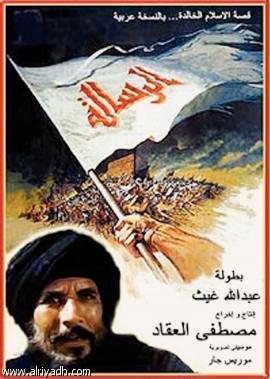
Movie · 1976
The Message is one of the rare mainstream films that treats the rise of Islam with reverence and seriousness. For Muslim families, its strongest value is that it introduces children and teens to tawhid, sacrifice, patience under persecution, courage, brotherhood, and the mercy shown at the conquest of Makkah.
No substance use is shown or treated as appealing.
Language stays mild with limited rude humour.
Romance is absent or very limited in the story.
No major product placement or consumerism concern.
Violence, peril, or fear may unsettle younger viewers.
Clear for most families.
The Message follows the early years of Islam through the people around the Prophet Muhammad (peace be upon him), while avoiding direct depiction of him. It begins with the first call to tawhid in Makkah, the hostility of Quraysh leadership, and the hardship faced by early believers.
The main protagonists are the early Muslim community and several major figures shown around them, including Hamza, Bilal, Ammar, and Ja'far. The main opponents are the Makkah leaders who defend idols, tribal status, and economic power, especially Abu Sufyan and Hind before their later change.
The story moves through persecution, migration to Abyssinia, hijrah to Madinah, the building of the first Muslim community, Badr, Uhud, treaty and betrayal, and finally the conquest of Makkah. Good prevails when tawhid, patience, sacrifice, and mercy overcome idolatry, oppression, pride, and revenge.
The highest concern is violence and fear: persecution, torture, battle, martyrdom, grief, and revenge all appear. Romance, sexual content, profanity, substance use, and consumerism are minimal. The more important MuslimReview concern is not ordinary content but religious framing: the film is a respectful dramatization that still needs parent guidance around accuracy, adab, and source boundaries.
Scene and content evidence
Scene and content evidence
Scene and content evidence
Scene and content evidence
Scene and content evidence
Use the film as a conversation starter, then return children to reliable seerah books, scholars, and primary Islamic learning.
Explain the adab behind not depicting the Prophet, and make room for family differences about watching dramatized companions.
Ask children how patience differs from passivity: Muslims can endure hardship while also seeking protection, justice, and wise action.
Use this to discuss that justice is not revenge. Strength should lead to mercy, truth, and restraint.
Connect this to modern forms of misplaced loyalty: status, money, popularity, and group pride should never outrank obedience to Allah.
This review should be handled differently from normal entertainment. The Message has unusually strong positive Islamic themes, but its subject matter is sacred history, so the viewing standard should be higher. Families can benefit from seeing patience, sacrifice, hijrah, brotherhood, and mercy dramatized, but they should keep clear that film is not a proof-text.
Parents should actively connect the film to proper learning: read reliable seerah material, verify events, and discuss why Muslims preserve knowledge through Qur'an, hadith, scholarship, and careful transmission. The film can open hearts, but Islamic knowledge should be anchored in sound sources.
The Message raises the value topic "Patience under persecution". This supports a parent discussion about sabr through persecution, grief, and long struggle.
عَجَبًا لأَمْرِ الْمُؤْمِنِ إِنَّ أَمْرَهُ كُلَّهُ خَيْرٌ
How wonderful is the affair of the believer, for his affairs are all good. If something good happens to him, he is thankful, and that is good for him; if something bad happens to him, he is patient, and that is good for him.
Sahih Muslim 2999 Sunnah.com
The Message raises the value topic "Justice with restraint". This supports a parent discussion about resisting oppression while avoiding revenge and injustice.
انْصُرْ أَخَاكَ ظَالِمًا أَوْ مَظْلُومًا
Help your brother, whether he is an oppressor or he is oppressed. The people asked how to help an oppressor, and he said: by preventing him from oppressing others.
Sahih al-Bukhari 6952 Sunnah.com
The Message raises the value topic "Mercy after victory". This supports a parent discussion about mercy after victory and gentleness when one has power.
إِنَّمَا يَرْحَمُ اللَّهُ مِنْ عِبَادِهِ الرُّحَمَاءَ
Allah is merciful only to those of His slaves who are merciful.
Sahih al-Bukhari 1284 Sunnah.com
The Message raises the value topic "Courage for truth". This supports a parent discussion about verifying information and treating sacred history carefully.
إِنَّ الصِّدْقَ يَهْدِي إِلَى الْبِرِّ، وَإِنَّ الْبِرَّ يَهْدِي إِلَى الْجَنَّةِ
Truthfulness leads to righteousness, and righteousness leads to Paradise. Lying leads to wickedness, and wickedness leads to the Fire.
Sahih Muslim 2607a Sunnah.com
The Message raises the value topic "Tawhid over idolatry". This supports a parent discussion about rejecting status, pride, lineage, and wealth when they block truth.
الْكِبْرُ بَطَرُ الْحَقِّ وَغَمْطُ النَّاسِ
Arrogance means rejecting the truth and looking down on people.
Sahih Muslim 91a Sunnah.com