Drugs, alcohol, smoking
MildSubstance concerns need clear parent framing.
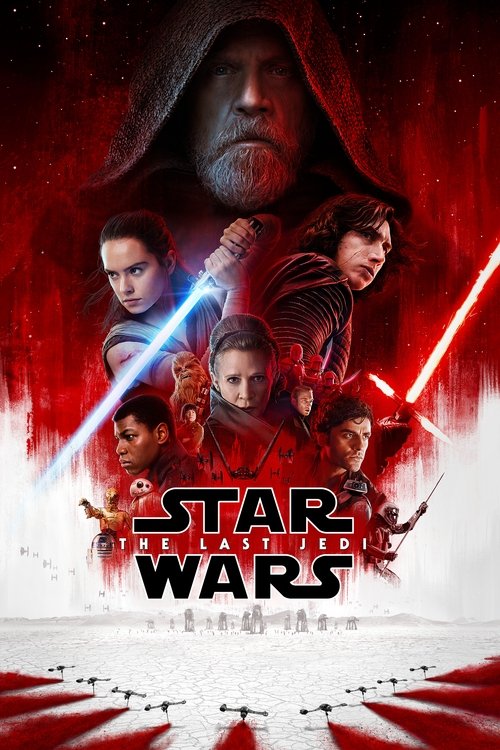
Movie · 2017
The Last Jedi is a heavier and more reflective Star Wars film. It offers useful positives around courage, humility, learning from failure, and protecting the vulnerable instead of chasing glory. Poe's arc is especially useful for discussing how brave action can become reckless when separated from wisdom.
Substance concerns need clear parent framing.
Insults or profanity appear and need guidance.
Romance or sexual themes need parent guidance.
Franchise attachment or consumerism needs guidance.
Violence, peril, or fear may unsettle younger viewers.
Needs careful parent guidance.
The Resistance flees the First Order while Rey seeks training from an older, disillusioned Luke Skywalker. Finn and Rose try to disable the First Order's tracking, while Poe struggles with impatience, leadership, and the cost of reckless heroism.
The protagonists are Rey, Finn, Rose, Poe, Leia, and eventually Luke. The antagonists are Kylo Ren, Snoke, Hux, and the First Order, though the film also treats pride, despair, and failure as moral opponents.
Good prevails by survival rather than conquest. The Resistance is nearly destroyed, but Luke's final stand buys time for the vulnerable to escape. The film's best moral lesson is that failure can teach humility if it does not become despair.
The highest concerns are sci-fi violence, sustained threat, Force worldview, and emotional intensity. The film includes space-battle deaths, pursuit, duels, Snoke being cut in half, throne-room combat, Crait siege, casino excess, a quick kiss, shirtless scene, and mild/moderate language.
Scene and content evidence
Scene and content evidence
Scene and content evidence
Scene and content evidence
Scene and content evidence
Frame it plainly as fiction. Muslims do not believe in an impersonal cosmic power; worship, help, guidance, and ultimate trust belong to Allah alone.
Discuss shura, humility, and why courage should be accountable to wiser leadership.
Talk about wealth as amanah, not a license for heedlessness or exploiting others.
Set boundaries around time, purchases, and identity. A story can be enjoyed without becoming a child's main imaginative world.
Use this review to separate useful character lessons from the saga's fictional spiritual framework. The clearest recurring MuslimReview cautions are the Force, destiny/power language, violence, anger, pride, and franchise attachment. The strongest recurring positives are courage, loyalty, resisting oppression, repentance, and protecting others.
Star Wars: Episode VIII - The Last Jedi raises the value topic "Learning from failure". This supports a parent discussion about pride, status, jealousy, admitting fault, and not looking down on others.
الْكِبْرُ بَطَرُ الْحَقِّ وَغَمْطُ النَّاسِ
Arrogance means rejecting the truth and looking down on people.
Sahih Muslim 91a Sunnah.com
Star Wars: Episode VIII - The Last Jedi raises the value topic "Courage under pressure". This supports a parent discussion about patience through fear, grief, change, disappointment, and difficult duties.
عَجَبًا لأَمْرِ الْمُؤْمِنِ إِنَّ أَمْرَهُ كُلَّهُ خَيْرٌ
How wonderful is the affair of the believer, for his affairs are all good. If something good happens to him, he is thankful, and that is good for him; if something bad happens to him, he is patient, and that is good for him.
Sahih Muslim 2999 Sunnah.com
Star Wars: Episode VIII - The Last Jedi raises the value topic "Standing against oppression". This supports a parent discussion about resisting oppression, stopping harm, correcting injustice, and using power accountably.
انْصُرْ أَخَاكَ ظَالِمًا أَوْ مَظْلُومًا
Help your brother, whether he is an oppressor or he is oppressed. The people asked how to help an oppressor, and he said: by preventing him from oppressing others.
Sahih al-Bukhari 6952 Sunnah.com
Star Wars: Episode VIII - The Last Jedi raises the value topic "Good companionship". This supports a parent discussion about how friends shape choices, loyalty, courage, and moral direction.
مَثَلُ الْجَلِيسِ الصَّالِحِ وَالسَّوْءِ كَحَامِلِ الْمِسْكِ وَنَافِخِ الْكِيرِ
The example of a good companion and a bad companion is like that of the seller of musk and the blacksmith's bellows.
Sahih al-Bukhari 2101 Sunnah.com