Drugs, alcohol, smoking
MildSubstance concerns need clear parent framing.
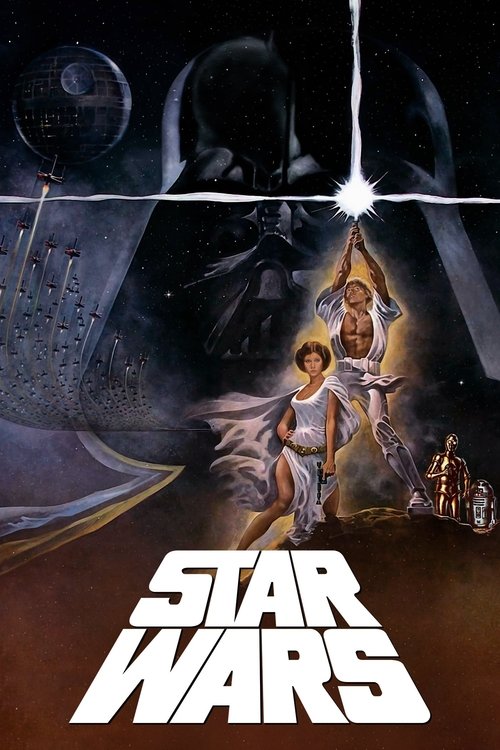
Movie · 1977
Star Wars: Episode IV - A New Hope is a classic adventure with unusually clear moral lines: oppression, cruelty, and mass destruction are shown as evil, while courage, loyalty, sacrifice, and standing with the oppressed are rewarded. For Muslim families, those positive themes are useful, especially when discussing justice, bravery, friendship, and resisting tyranny.
Substance concerns need clear parent framing.
Insults or profanity appear and need guidance.
Romance is absent or very limited in the story.
Franchise attachment or consumerism needs guidance.
Violence, peril, or fear may unsettle younger viewers.
Suitable with guidance after review.
Luke Skywalker is a restless farm boy on the desert planet Tatooine who becomes caught in the conflict between the Rebel Alliance and the oppressive Galactic Empire. After Princess Leia hides stolen Death Star plans inside the droid R2-D2, Luke meets Obi-Wan Kenobi, learns about the Jedi, and leaves home after the Empire destroys his family farm.
The main protagonists are Luke, Leia, Han Solo, Chewbacca, Obi-Wan, and the droids as they move from escape and rescue into open resistance. The main antagonists are Darth Vader, Grand Moff Tarkin, and the Empire, whose Death Star can destroy whole planets to keep people afraid.
Good prevails when courage, sacrifice, trust, and teamwork overcome fear and tyranny. Luke grows from a frustrated dreamer into someone willing to risk himself for others, Han moves beyond selfishness, Leia remains steadfast under pressure, and the Rebels destroy the Death Star before it can crush their cause.
The highest concern is violence and fear: blaster fights, explosions, choking, threats, torture references, charred bodies, a severed alien arm, planet destruction, crushing peril, and space-battle deaths recur. Romance and sexual content are absent. Language is very mild. Substance content is limited to the Mos Eisley cantina's drinking and alien smoking atmosphere. Product placement is not in-story, but franchise merchandising is a real family consideration.
Scene and content evidence
Scene and content evidence
Scene and content evidence
Scene and content evidence
Scene and content evidence
Explain that this is fantasy storytelling. Muslims do not believe in an impersonal cosmic power controlling destiny; worship, help, guidance, and ultimate trust belong to Allah alone.
Use this to discuss why Islam condemns oppression and why stopping harm should still be governed by justice, restraint, and truth.
Ask children how friends can pull us toward better choices, and how courage includes returning to help when we could walk away.
Set boundaries around time, purchases, and identity. A story can be enjoyed without becoming a child's main source of imagination, loyalty, or spending.
The strongest Islamic discussion is the difference between fictional fantasy spirituality and tawhid. The Force should be framed as make-believe, not a model for how Muslims understand guidance, help, destiny, or unseen power. Parents can also connect the Rebel struggle to justice: standing against oppression is noble, but Muslim courage should stay tied to truth, mercy, and restraint.
Luke, Leia, and Han also open strong character conversations. Luke learns patience and responsibility, Leia remains brave under pressure, and Han's arc shows how good companionship can pull someone away from selfishness. These positives are worth keeping, provided the worldview cautions are made explicit.
Star Wars: Episode IV - A New Hope raises the value topic "Standing against oppression". This supports a parent discussion about resisting oppression, stopping harm, and using power with accountability.
انْصُرْ أَخَاكَ ظَالِمًا أَوْ مَظْلُومًا
Help your brother, whether he is an oppressor or he is oppressed. The people asked how to help an oppressor, and he said: by preventing him from oppressing others.
Sahih al-Bukhari 6952 Sunnah.com
Star Wars: Episode IV - A New Hope raises the value topic "Good companionship". This supports a parent discussion about how companions can pull us toward courage, loyalty, sacrifice, or selfishness.
مَثَلُ الْجَلِيسِ الصَّالِحِ وَالسَّوْءِ كَحَامِلِ الْمِسْكِ وَنَافِخِ الْكِيرِ
The example of a good companion and a bad companion is like that of the seller of musk and the blacksmith's bellows.
Sahih al-Bukhari 2101 Sunnah.com
Star Wars: Episode IV - A New Hope raises the value topic "Self-control with power". This supports a parent discussion about controlling anger, fear, ego, and power before they harm others.
لَيْسَ الشَّدِيدُ بِالصُّرَعَةِ، إِنَّمَا الشَّدِيدُ الَّذِي يَمْلِكُ نَفْسَهُ عِنْدَ الْغَضَبِ
The strong man is not the one who overcomes people by his strength, but the strong man is the one who controls himself while in anger.
Sahih al-Bukhari 6114 Sunnah.com
Star Wars: Episode IV - A New Hope raises the value topic "Courage under pressure". This supports a parent discussion about remaining steady through loss, fear, and difficult duties.
عَجَبًا لأَمْرِ الْمُؤْمِنِ إِنَّ أَمْرَهُ كُلَّهُ خَيْرٌ
How wonderful is the affair of the believer, for his affairs are all good. If something good happens to him, he is thankful, and that is good for him; if something bad happens to him, he is patient, and that is good for him.
Sahih Muslim 2999 Sunnah.com