Drugs, alcohol, smoking
LowNo substance use is shown or treated as appealing.
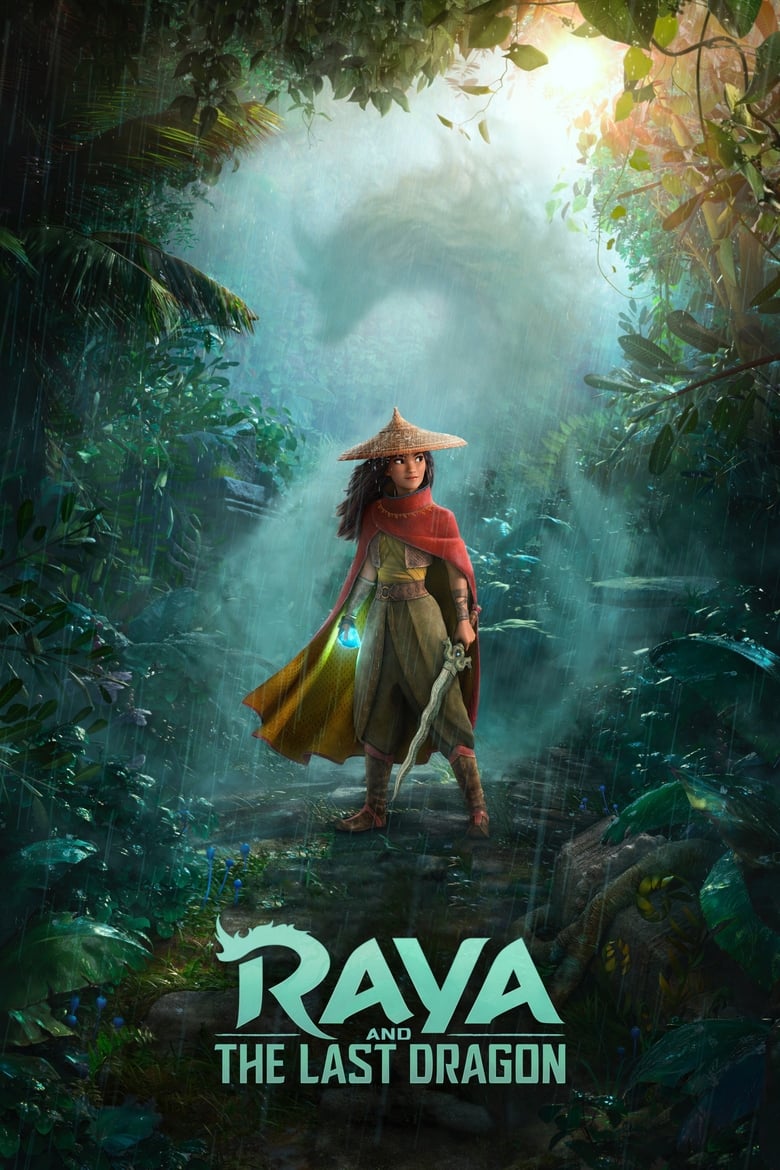
Movie · 2021
Raya and the Last Dragon is more action-heavy than Encanto and should be treated as a family fantasy adventure, not a gentle preschool movie. Its strongest content concern is repeated peril: sword fights, staff fights, chases, arrows, explosions, monsters, characters turning to stone, and children without parents. The violence is non-graphic, but it is frequent and emotionally tied to grief.
No substance use is shown or treated as appealing.
Insults or profanity appear and need guidance.
Romance is absent or very limited in the story.
Franchise attachment or consumerism needs guidance.
Violence, peril, or fear may unsettle younger viewers.
Suitable with guidance after review.
Raya and the Last Dragon is set in Kumandra, a once-united land shaped like a dragon and divided into five regions: Heart, Fang, Spine, Talon, and Tail. Long before the main story, dragons protected humans from the Druun, dark plague-like spirits that turn living beings into stone. The dragons sacrifice themselves through a magical gem, the people survive, and the land eventually fractures through greed and mistrust.
The protagonist is Raya, daughter of Chief Benja of Heart. Benja wants the tribes to trust one another again, but Raya is betrayed by Namaari from Fang after showing her the Dragon Gem. The tribes fight over the gem, it breaks, the Druun return, and Benja is turned to stone after saving Raya. This loss hardens Raya into a lonely, suspicious warrior.
Years later, Raya searches for Sisu, the last dragon, hoping to recover the gem pieces and restore her father. On the journey she gathers a found family: Boun, a boy who lost his family; Little Noi and her ongis, who survive through scams; Tong, a lonely warrior; and Sisu, whose optimistic trust clashes with Raya's caution. Their mission moves through desert ruins, floating markets, guarded villages, and Fang's palace.
Good prevails when the characters choose trust and self-sacrifice in the face of disaster. Namaari's choices are morally messy, and the film asks viewers to believe repair is possible even after serious betrayal. The ending restores the petrified people and dragons, reunites Raya with her father, and imagines Kumandra healing through unity rather than revenge.
The highest concerns are fantasy action violence, Druun monster peril, people and dragons being turned to stone, grief over lost family, betrayal, and magical mythology. Content includes weapon combat with swords, knives, bows, staffs, hand-to-hand fighting, an arrow striking Benja, repeated chases, Fang guards, Talon scams, Druun attacks, Sisu being struck during a confrontation, and central characters choosing to become stone while trusting others with the gem pieces. Romance and sexual content are absent. Language is mild, with insults and invented/comic wording. Substance content is absent. Franchise consumerism is moderate because Disney merchandise, toys, and dragon/princess branding are substantial outside the story.
Scene and content evidence
No substance storylineDrugs, alcohol, smoking, and vaping are not part of the story or character behaviour.Scene and content evidence
"Badaxery" wordingA comic invented word sounds close to stronger language but is not standard profanity.Fang insultsRaya speaks about Fang with hostility after betrayal; this can be used to discuss prejudice, group blame, and how pain can turn into unfair speech.Scene and content evidence
No romance plotRaya and Namaari's conflict is built around trust, betrayal, rivalry, and political division, not romantic attraction.Toddler gagThere is a brief baby/toddler bare-bottom gag connected to Little Noi's comic thief persona. It is not sexualised, but parents may want to know it is there.Scene and content evidence
Princess and dragon brandingRaya, Sisu, Tuk Tuk, swords, gem pieces, and dragons are all highly merchandisable, so spending boundaries matter even if the story itself is not product-placement heavy.Action-play imitationChildren may copy sword/staff play or want weapon-themed toys after watching, so families may want rules around pretend fighting.Scene and content evidence
Gem chamber betrayalYoung Raya trusts Namaari and shows her the Dragon Gem. Fang's plan is exposed, the tribes fight over the gem, and the gem shatters, releasing the Druun.Benja's arrow and sacrificeDuring the chaos, Benja is injured by an arrow and later throws Raya into the river to save her before he is turned to stone.Druun petrificationThe Druun appear as swirling purple-black spirits. When they touch people, those people become stone, including parents and central characters.Sisu confrontationIn Fang, a tense standoff over the gem pieces leads to Sisu being struck. This is one of the film's heaviest emotional turns because hope appears to collapse.Final sacrifice sequenceRaya and the others hand over their gem pieces and allow themselves to become stone, trusting Namaari to complete the repair. It is non-gory but emotionally intense.Explain that Islam praises reconciliation and good opinion, but trust should be rebuilt with truthfulness, repentance, justice, and changed behaviour.
Keep tawhid clear: this is invented fantasy. Real protection, healing, unseen knowledge, and restoration are by Allah's permission alone.
Discuss how Muslims should avoid group arrogance, inherited hatred, and blaming whole peoples for the wrong of some individuals.
Use the film to talk about sabr, grief, seeking help, and not letting pain turn into cruelty or permanent suspicion.
Raya and the Last Dragon gives Muslim families a useful but incomplete trust story. It is valuable because it rejects tribal hatred, revenge, and permanent suspicion. But parents should complete the lesson: Islam does not ask believers to be gullible. Trust is rebuilt through truth, justice, repentance, and amanah. The fantasy mythology also needs correction. Dragons, gems, and spirits belong to the story world; real protection and restoration belong to Allah. With that framing, the film can support conversations about unity, forgiveness, courage, and the danger of letting one betrayal define every future relationship.
Raya and the Last Dragon raises family repair and mercy as parent discussion themes. Attach an approved hadith from the topic pool before final editorial sign-off if a direct reference is required.
Raya and the Last Dragon raises trust, forgiveness, and responsibility as parent discussion themes. Attach an approved hadith from the topic pool before final editorial sign-off if a direct reference is required.