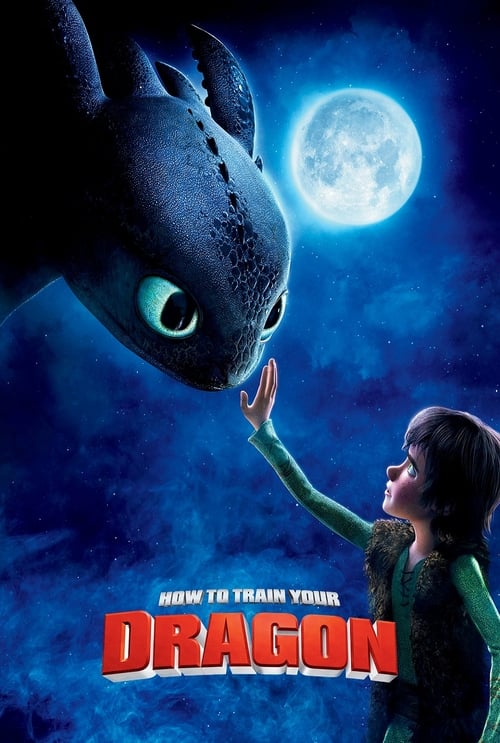
Cover of How to Train Your Dragon

Movie · 2010

How to Train Your Dragon

9+Suitable with guidance79% values match

How to Train Your Dragon is a strong story about mercy, courage, trust, and challenging inherited prejudice. Hiccup's refusal to kill Toothless becomes the moral heart of the film.

Global
Family guidance
AU
PG
US
PG
UK
PG
Genre
Animated fantasy adventure
Research
Human checked synthesis

Guidance at a glance

Drugs, alcohol, smoking

Low

No substance use is shown or treated as appealing.
Language

Low

Language stays mild with limited rude humour.

Nudity, sex, romance

Low

Romance is absent or very limited in the story.

Products and purchases

Low

No major product placement or consumerism concern.

Violence and fear

Moderate

Violence, peril, or fear may unsettle younger viewers.

Overall Suitability

79%

Suitable with guidance after review.

Story Overview

Hiccup is a physically awkward Viking teenager in Berk, a village whose identity is built around fighting dragons. His father Stoick expects him to become a dragon-killer, but Hiccup is more thoughtful, inventive, and uncomfortable with the inherited violence around him.

After Hiccup secretly wounds a feared Night Fury dragon, he finds the creature injured and helpless. Instead of killing it, he studies it, feeds it, names it Toothless, and slowly builds trust. This changes his understanding of dragons and exposes the ignorance behind his community's war.

The main antagonist is not only the giant Red Death dragon, but also the culture of fear, pride, and inherited prejudice that keeps humans and dragons fighting. Good prevails when mercy, truth, and courage overcome blind imitation. Hiccup saves his people by refusing cruelty and by proving that compassion can reveal a better path.

Content Breakdown

Fantasy action is frequent: raids, weapons, fire, battle training, dragon injuries, and a large final fight. Romance is very mild. Language and substances are low.

Drugs, alcohol, smoking

Low · 1/5

No meaningful substance concern.

Scene and content evidence

  • Some Viking hall scenes include mugs in the background, but drinking is not a plot point or behaviour being encouraged.
  • No smoking, vaping, or recreational drug use is shown; the main concerns are weapons, raids, and fantasy combat.

Language

Low · 1/5

Language is mild.

Scene and content evidence

  • Hiccup is mocked as weak or useless, and the other teens trade insults during training.
  • The MPAA/parent-guide concern is brief mild language rather than repeated profanity.

Nudity, sex, romance

Low · 1/5

Very mild attraction only.

Scene and content evidence

  • Hiccup has a gentle crush on Astrid and gains her respect over time; the romance is limited to admiration and a brief affectionate moment.
  • A crude armour/chest joke is the only notable body-humour concern; there is no sexual scene or dating plot.

Products and purchases

Low · 1/5

Low consumerism concern.

Scene and content evidence

  • There are no modern brands or shopping scenes in the Viking setting; external franchise merchandise exists but the film itself is driven by conflict, mercy, and community change.

Violence and fear

Moderate · 3/5

Fantasy battles and dragon peril are frequent.

Scene and content evidence

  • The opening Viking raid includes fire, collapsing structures, dragons carrying livestock away, weapons, and villagers fighting back.
  • Hiccup wounds Toothless with a bola launcher, and later discovers the injured dragon unable to fly properly.
  • Dragon-training scenes include axes, shields, fire blasts, near misses, and students being placed in danger as a rite of passage.
  • The final Red Death battle includes large-scale fire, falling, explosions, and Hiccup being injured, which may be intense for younger viewers.

Islamic Values

Shirk language and Norse mythologyThe Viking setting includes Norse references and a line invoking Thor in a way Muslim families should correct.Moderate
  • A character uses the phrase "Thor Almighty", which treats a created mythological figure with divine-style language.
  • The wider setting includes Norse cultural mythology, though it is mostly background flavour rather than worship practice.

Pause the phrase if children notice it: Muslims reserve almighty power, worship, du'a, and ultimate reliance for Allah alone.

Cruelty, pride, and inherited prejudiceThe story begins with a culture that celebrates killing dragons before understanding them.Mild
  • Young Vikings are trained to fight and kill dragons as proof of worth.
  • Hiccup is mocked for not fitting the violent ideal of strength.

Use this to discuss why inherited customs still need to be judged by truth, mercy, and justice.

Fantasy creatures and make-believe worldsDragons are fantasy creatures; this is not aqidah content, but younger children may need help separating imagination from belief.Mild
  • The film builds an imaginative dragon world with invented dragon types and behaviours.
  • The moral lesson is mercy and understanding, not magic practice or real-world spirituality.

Frame it as fictional storytelling and keep the discussion centred on mercy, courage, and not fearing what we do not understand.

Islamic Values Reflection

A good rahmah discussion: Hiccup's compassion changes his community. Families can talk about courage that protects rather than humiliates or destroys.

Truthfulness and trust

approved

How to Train Your Dragon raises the value topic "Truthfulness and trust". This supports a parent discussion about honesty, secrecy, trust, and the damage caused by deception.

Truthfulness

أَدِّ الأَمَانَةَ إِلَى مَنِ ائْتَمَنَكَ وَلاَ تَخُنْ مَنْ خَانَكَ

Render the trust to the one who entrusted you, and do not betray the one who betrayed you.

Sunan Abi Dawud 3535 Sunnah.com

Family ties and repair

approved

How to Train Your Dragon raises the value topic "Family ties and repair". This supports a parent discussion about family bonds, responsibility, repair, and not letting pain sever ties unjustly.

Family ties

مَنْ أَحَبَّ أَنْ يُبْسَطَ لَهُ فِي رِزْقِهِ، وَيُنْسَأَ لَهُ فِي أَثَرِهِ، فَلْيَصِلْ رَحِمَهُ

Whoever would like his provision to be increased and his life to be extended, let him uphold his ties of kinship.

Sahih al-Bukhari 5986 Sunnah.com

Positives

MercyChallenging prejudiceCourage with compassion

Family Discussion

  1. Why was Hiccup's mercy brave?
  2. When is it right to question what everyone around you believes?
  3. Which character made the most responsible choice, and which choice needed correction?
  4. What would you explain before showing this to a younger sibling?
  5. Where did the story support good character, and where did it normalise behaviour we should not copy?