Drugs, alcohol, smoking
LowNo substance use is shown or treated as appealing.
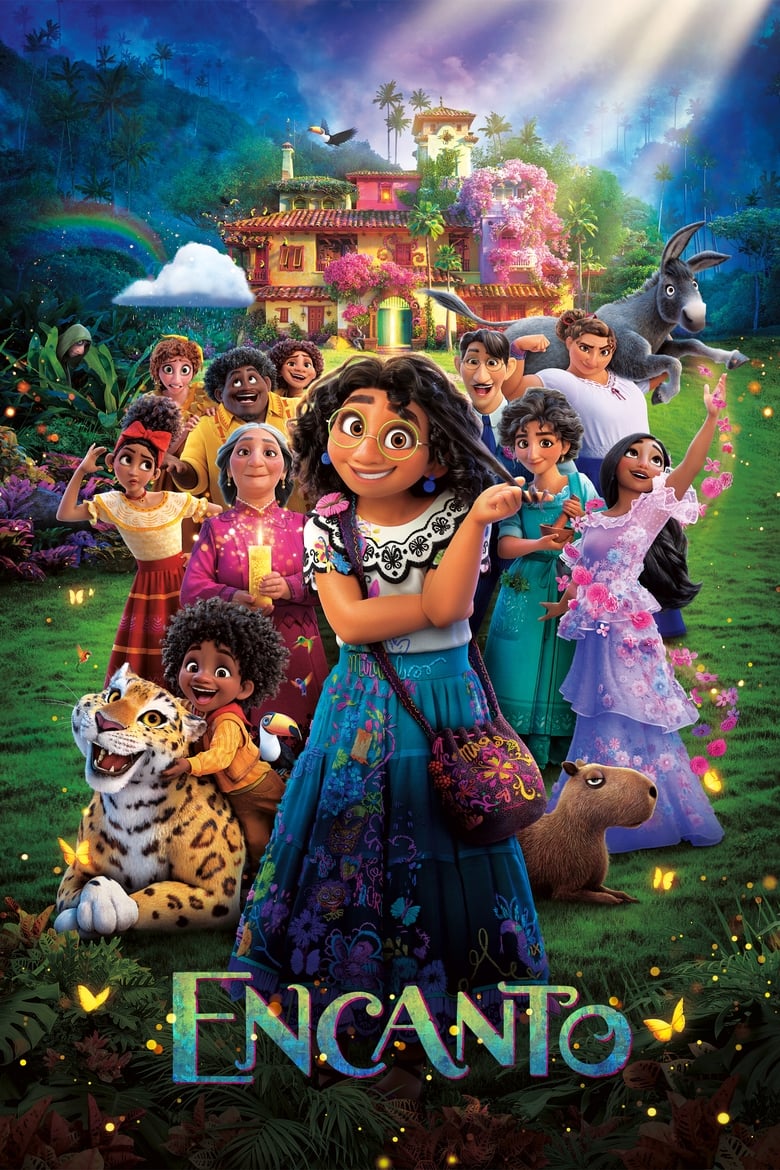
Movie · 2021
Encanto is one of the more useful modern Disney films for Muslim family discussion because the main conflict is moral and relational rather than romantic. It asks whether a family can love children without turning them into symbols of success. Mirabel, Luisa, Isabela, Bruno, and Abuela each show a different kind of pressure: feeling invisible, carrying everyone, performing perfection, being blamed, or controlling others out of fear.
No substance use is shown or treated as appealing.
Language stays mild with limited rude humour.
Romance is absent or very limited in the story.
Franchise attachment or consumerism needs guidance.
Violence, peril, or fear may unsettle younger viewers.
Suitable with guidance after review.
Encanto follows the Madrigal family, who live in a hidden Colombian village protected by a magical candle and a living house called Casita. Each child in the family receives a special gift, such as healing, super strength, shape-shifting, hearing, plant growth, or weather-linked emotion. Mirabel is the one child who did not receive an obvious magical gift, and that absence shapes how the family sees her and how she sees herself.
The main protagonist is Mirabel. The central conflict is not a villain in the usual Disney sense, but a family system built around fear, reputation, usefulness, and silence. Abuela Alma loves her family, but her trauma after losing Abuelo Pedro has hardened into control. Bruno has disappeared into the walls because his gift of prophecy made the family blame him for painful possibilities.
The story becomes more serious when Mirabel sees cracks in Casita and realises the family's miracle is weakening. Her sisters Luisa and Isabela reveal their own burdens: Luisa feels crushed by expectations to be strong, and Isabela feels trapped by the demand to be perfect. The family image is beautiful from outside, but inside it is strained by pressure and unspoken grief.
Good prevails through confession, humility, and rebuilding. Mirabel does not save the family by becoming magically impressive; she helps them name the truth. Abuela recognises how fear has damaged the family, Bruno is welcomed back, and the community helps rebuild the house. The ending affirms family ties, mercy, and belonging without reducing a person's worth to their visible gift.
The highest concerns are magical worldview elements, family trauma, and emotional pressure. Content includes a miracle candle, supernatural gifts, Bruno's prophecy, a vision involving Mirabel, the family's house cracking and collapsing, a flashback where armed men force Abuela and Pedro to flee and Pedro is implied to be killed, and family conflict that makes Mirabel feel unwanted. Romance is limited to married affection and brief kisses. Language is very mild. Substance content is low, with a coffee joke and festive drinks/toasts. The film is low on consumerism inside the story, though Disney merchandise and soundtrack attachment are significant outside the film.
Scene and content evidence
Coffee jokeAntonio or other children are near coffee-related humour, and Mirabel's line about coffee being for grown-ups is played as a harmless family gag.Festive drinksCelebration and dinner scenes include family-party ambience and drinks, but intoxication is not a plot point.Scene and content evidence
"Stupid perfect"Mirabel's insult toward Isabela is mild, but it is a useful adab moment because it comes from envy, hurt, and family comparison.We don't talk about BrunoThe repeated family phrase is not profanity, but it models avoidance, gossip-like blame, and refusing to speak truthfully about a family member.Scene and content evidence
Married affectionFelix and Pepa are affectionate, and Abuela's flashback includes loving married/family imagery before tragedy separates her from Pedro.Isabela engagement pressureIsabela is expected to marry Mariano as part of family image and social expectation, but this is treated as pressure rather than romantic sensuality.No sexual scenesSex/nudity concerns are very low; the romance concern is family expectation, not explicit content.Scene and content evidence
Soundtrack replaySongs such as the Bruno number, Luisa's pressure song, and Isabela's flower song are designed for repeat listening and can dominate children's attention.Character merchandiseThe Madrigal family gifts translate easily into costumes, dolls, toys, and room decor, so parents may want boundaries before the attachment becomes spending pressure.Scene and content evidence
Abuelo Pedro's implied deathThe opening backstory shows Abuela fleeing with infant triplets while armed men approach. Pedro turns back to face the threat, and the film implies his death through Abuela's grief and the miracle candle appearing.Casita collapseNear the climax, the magical house cracks and falls apart. Mirabel runs through the collapsing structure to reach the candle, while family members and villagers panic below.Bruno revealBruno is first framed as mysterious and unsettling inside the walls, with rats and shadowy movement, before the story reveals him as gentle and isolated.Vision perilBruno's vision shows Mirabel standing before the cracked Casita, which builds anxiety around whether she will destroy or save the family miracle.Keep the category clear: this is fictional magic. Healing, protection, knowledge of the unseen, and true blessing belong to Allah alone.
Ask whether honour is preserved by appearances or by justice, mercy, apology, and fulfilling family rights.
Use this to discuss sincere apology, not humiliating family members, and repairing harm with action.
Encanto is strongest when used as a family-systems conversation. It shows how love can become tangled with fear, image, and usefulness. Islamically, parents can praise family ties, apology, serving relatives, and rebuilding after harm, while correcting the magical worldview clearly. Children should come away knowing that a person is not valuable because they are impressive; they are valuable because Allah created them with dignity and because taqwa, mercy, truthfulness, and good character matter more than public image.
Encanto raises family repair and mercy as parent discussion themes. Attach an approved hadith from the topic pool before final editorial sign-off if a direct reference is required.
Encanto raises trust, forgiveness, and responsibility as parent discussion themes. Attach an approved hadith from the topic pool before final editorial sign-off if a direct reference is required.